


|
Cynthia M.
Beall, Ph.D.
Adaptation to High
Altitude Hypoxia
High altitude natives of
the Andean, Tibetan, and Simian Plateaus live
under lifelong, severe hypoxic stress.
Physiological adaptations enable normal, healthy
function in a n environment that debilitates a
significant proportion of lowland visitors.
However, not all high altitude populations
appear to exhibit the same adaptations and it is
not clear why.
My current research is on
oxygen transport differences between Andean and
Tibetan highlanders and seeks to understand
whether these differences are mainly genetic,
developmental, or acclimatizational - or due to
some unknown environmental contrast.
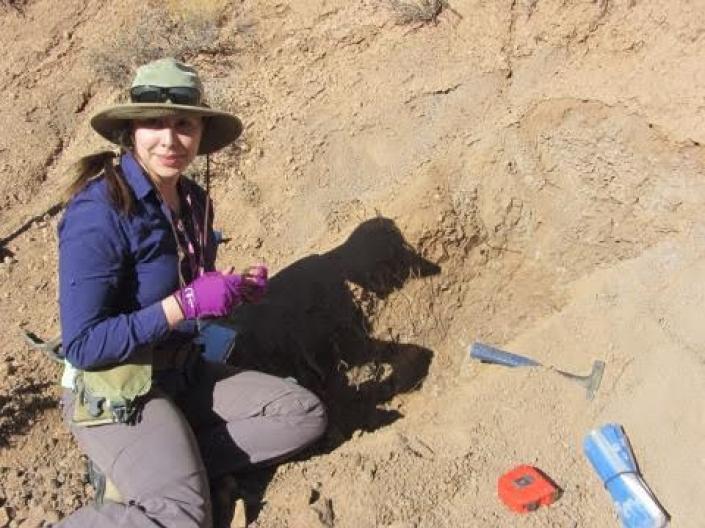
Physiological data on large samples of
biological relatives are collected during
community level fieldwork in Bolivia and Tibet
and analyzed using quantitative genetic
statistical techniques.
Selected References:
Beall, C.M., J. Blangero,
S. Williams-Blangero, and M.C. Goldstein. A
major gene for percent oxygen saturation of
arterial hemoglobin in Tibetan highlanders. Am.
J. of Phys. Anthro. 95(3):271-276, 1994.
Beall, C.M. Aging and
adaptation to the environment. In: Biological
Anthropology and Aging: Interdisciplinary,
cross-cultural and comparative approaches. R.M.
Garruto and D.J. Crews (eds.), Oxford University
Press, pp. 339-372, 1994.
Beall, C.M., J. Henry, C.
Worthman, and M.C. Goldstein. Basal metabolic
rate and dietary seasonality among Tibetan
nomads. Am. J. of Human Biol., 7(6):1-7, 1995.
Strohl, K.P. and C.M. Beall.
Ventilatory Response to Experimental Hypoxia in
Adult Male and Female Natives of the Tibetan and
Andean Plateaus. In: Hypoxia Women at Altitude.
C.S. Houston and G. Coates (eds.) Queen City
Printers, Burlington, Vermont, pp. 162-165,
1997.
Beall, C.M., KP Strohl, J.
Blangero, S. Williams-Blangero, G.M. Brittenham
and M.C. Goldstein. Quantitative genetic
analysis of Arterial Oxygen Saturation in
Tibetan Highlanders. Human Biology,
69(5):597-604, 1997. |